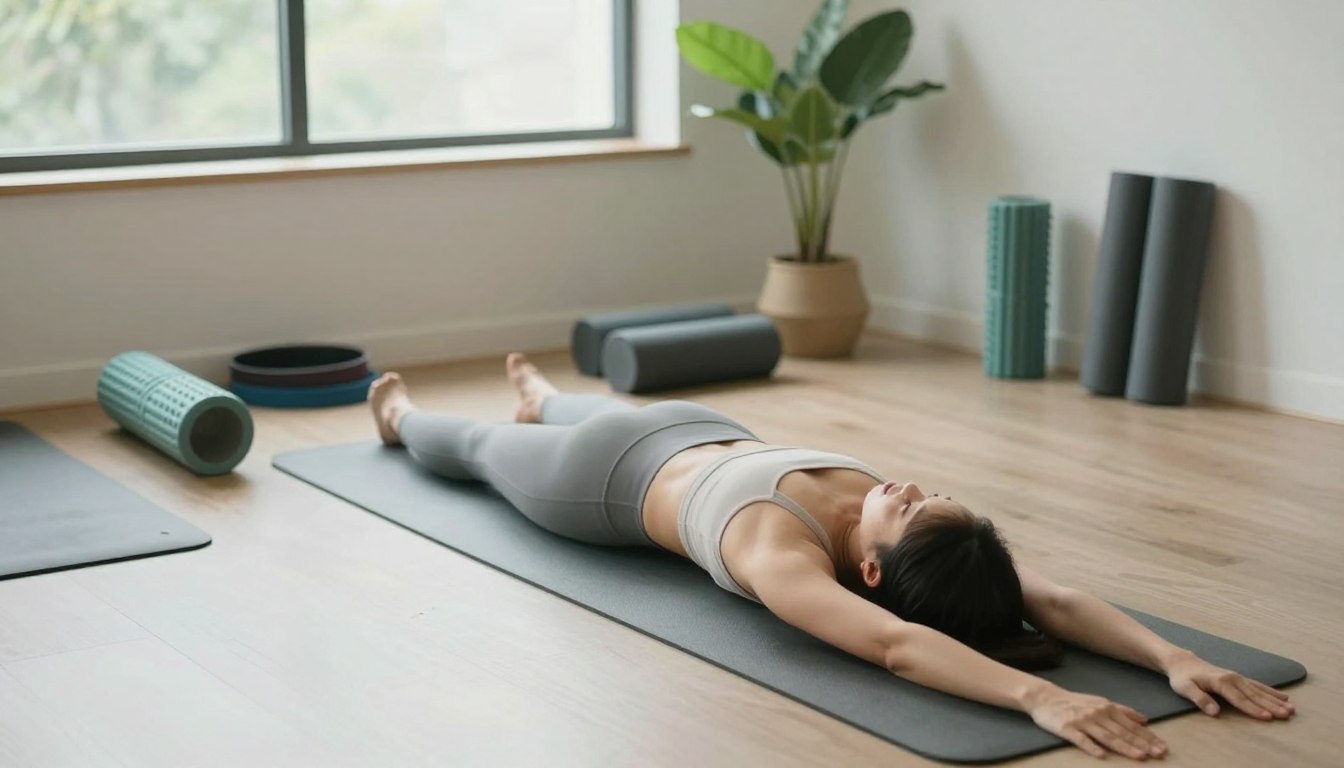
Are you tired of feeling stiff and sluggish? Do you struggle to move freely, whether you’re playing with your kids or just going about your daily tasks? Improving your mobility can significantly enhance your quality of life, and it’s easier than you think to get started.
Incorporating a simple daily routine can make a big difference. By dedicating just a few minutes each day to specific exercises, you can increase your flexibility, boost your energy, and even reduce your risk of injury.
The good news is that you don’t need to be a fitness enthusiast to benefit from these exercises. Whether you’re looking to enhance your athletic performance or just want to feel more agile, this daily routine is designed to be accessible and effective.
Key Takeaways
- Discover a simple daily routine to improve your mobility.
- Learn how to increase your flexibility and boost your energy.
- Understand how daily exercises can reduce your risk of injury.
- Find out how to make mobility exercises a part of your daily life.
- Explore the benefits of improved mobility for overall health.
Understanding Mobility and Why It Matters
Understanding mobility is key to enhancing our overall well-being and quality of life. Mobility refers to the ability of our joints to move freely through a range of motion, enabling us to perform daily tasks with ease.
The Difference Between Mobility and Flexibility
Mobility and flexibility are often used interchangeably, but they have distinct meanings. Flexibility refers to the ability of muscles to lengthen, whereas mobility encompasses the range of motion in joints, including the ability to move freely and without pain. Improving flexibility through daily exercises can contribute to better mobility.
How Mobility Affects Your Daily Life
Mobility plays a crucial role in our daily activities, from simple tasks like walking and bending to more complex movements involved in sports and exercise. Good mobility can enhance performance and reduce the risk of injury. For instance, having good mobility in the hips and knees can make a significant difference in our ability to perform daily tasks like squatting or climbing stairs.
| Daily Activity | Required Mobility | Benefit of Good Mobility |
|---|---|---|
| Walking | Hip, knee, and ankle mobility | Reduced risk of falls and injuries |
| Squatting | Knee and hip mobility | Efficient movement and reduced strain |
| Climbing Stairs | Knee, hip, and ankle mobility | Improved balance and reduced fatigue |
Benefits of a Daily Mobility Practice
Engaging in a daily mobility workout plan can lead to improved physical and mental health. By incorporating mobility exercises into your daily routine, you can experience a range of benefits that enhance your overall quality of life.
Physical Benefits: Improved Performance and Injury Prevention
A daily mobility practice can significantly improve your physical performance by increasing your range of motion and reducing muscle stiffness. This, in turn, can enhance your athletic performance and reduce the risk of injury. Some key physical benefits include:
- Increased flexibility: Regular mobility exercises can help improve your flexibility, making it easier to move and perform daily activities.
- Improved balance and coordination: By enhancing your range of motion and reducing stiffness, you can improve your balance and coordination.
- Reduced muscle soreness: Mobility exercises can help reduce muscle soreness after workouts or physical activity.

Mental Benefits: Reduced Stress and Better Focus
In addition to physical benefits, a daily mobility practice can also have a positive impact on your mental well-being. Regular mobility exercises can help reduce stress and improve focus by releasing tension and promoting relaxation. Some key mental benefits include:
- Reduced stress and anxiety: Mobility exercises can help calm the mind and reduce feelings of stress and anxiety.
- Improved focus and concentration: By promoting relaxation and reducing mental fatigue, mobility exercises can improve your ability to focus.
- Enhanced overall well-being: A daily mobility practice can contribute to an overall sense of well-being and improved mental health.
Getting Started: Essential Equipment and Space Requirements
Getting started with daily mobility and stretching exercises requires minimal investment. You can begin your routine with basic equipment, creating a comfortable and safe space to move.
Minimal Equipment Needed
For most mobility exercises, you’ll need a yoga mat and some comfortable clothing. Depending on the specific exercises, you might also use resistance bands or a foam roller. These tools can enhance your routine but are not essential for beginners.
Creating Your Mobility Exercise Space
Choose a quiet, clutter-free area where you can move freely. Ensure the floor is clear and non-slippery. Good lighting and ventilation can also enhance your practice, making it more enjoyable and effective.
Your Complete Daily Mobility Exercises Routine
Developing a daily mobility practice can help you move more efficiently, reduce muscle tension, and enhance your overall quality of life. This comprehensive routine is designed to be flexible and adaptable to your schedule and needs.
Morning Mobility Sequence (5-10 minutes)
Starting your day with a mobility sequence can help increase your blood flow and energy levels. The following exercises target key areas to get you moving.
Neck and Shoulder Mobility Drills
Neck tilts and shoulder rolls are simple yet effective exercises to loosen up your upper body. Perform 5-10 repetitions of each.
- Neck tilts: Gently tilt your head to the side, bringing your ear towards your shoulder.
- Shoulder rolls: Roll your shoulders forward and backward in a circular motion.
Hip and Lower Back Mobility Movements
Exercises like hip circles and knee lifts can help improve your hip and lower back mobility. Perform 5-10 repetitions of each.
- Hip circles: Stand with your feet shoulder-width apart and your hands on your hips. Move your hips in a large circle, first clockwise and then counterclockwise.
- Knee lifts: Stand with your feet together and lift one knee towards your chest, holding for a few seconds before lowering it back down.

Midday Movement Break (3-5 minutes)
Taking short breaks during the day to stretch and move can help reduce muscle tension and improve productivity. Try incorporating some simple stretches into your daily routine.
| Exercise | Description | Repetitions |
|---|---|---|
| Wrist Extensions | Hold your arm straight out in front of you and lift your hand up, then lower it back down. | 5-10 |
| Seated Twist | Sit with your feet on the floor and knees bent. Twist your torso to one side, holding for a few seconds before twisting to the other side. | 5-10 |
Evening Full-Body Mobility Routine (10-15 minutes)
Ending your day with a full-body mobility routine can help relax your muscles and prepare your body for rest. The following exercises target multiple areas.
Upper Body Mobility Exercises
Exercises like arm circles and chest opens can help improve your upper body mobility. Perform 5-10 repetitions of each.
- Arm circles: Hold your arms straight out to the sides and make small circles with your hands.
- Chest opens: Stand in a doorway with your hands on the doorframe at shoulder height. Lean forward, stretching your chest.
“Mobility is not just about flexibility; it’s about being able to move freely and efficiently in all aspects of life.”
Lower Body Mobility Exercises
Exercises like leg swings and calf raises can help improve your lower body mobility. Perform 5-10 repetitions of each.
- Leg swings: Stand with your feet hip-width apart and swing one leg forward and backward, then switch to the other leg.
- Calf raises: Stand on the edge of a step or curb with your heels hanging off. Raise up onto your tiptoes and then lower back down.
By incorporating this daily mobility exercises routine into your lifestyle, you can experience improved flexibility, reduced muscle tension, and enhanced overall well-being. Remember to listen to your body and adjust the routine as needed to suit your needs and comfort level.
Adapting Your Mobility Routine for Different Needs
Mobility exercises are not one-size-fits-all; tailoring your routine to your specific needs can lead to better outcomes. Whether you’re a beginner looking to improve flexibility, an athlete seeking to enhance performance, or a senior aiming to maintain mobility, adjusting your daily mobility drills routine is essential.
Modifications for Beginners
For those new to mobility exercises, starting slow is key. Begin with shorter routines and gradually increase duration as your body adapts. Focus on basic movements like neck stretches, shoulder rolls, and hip circles. It’s also beneficial to start with larger movements and refine them as you become more comfortable.
Advanced Mobility Exercises for Athletes
Athletes can benefit from more intense and specialized mobility exercises. Incorporating dynamic movements that mimic your sport can enhance performance. For example, a runner might include leg swings and hip flexor stretches, while a swimmer might focus on shoulder mobility exercises. Increasing the intensity and complexity of your routine can help improve your overall athletic capability.
Adjustments for Seniors and Limited Mobility
For seniors or those with limited mobility, it’s crucial to modify exercises to accommodate physical limitations. Seated mobility exercises, such as arm raises and seated marches, can be highly effective. Additionally, focusing on deep breathing and relaxation techniques can enhance the benefits of your mobility routine.
| Group | Modifications | Benefits |
|---|---|---|
| Beginners | Shorter routines, basic movements | Improved flexibility, reduced injury risk |
| Athletes | Dynamic movements, sport-specific exercises | Enhanced performance, better recovery |
| Seniors/Limited Mobility | Seated exercises, breathing techniques | Maintained mobility, reduced stiffness |
By adapting your daily mobility drills routine to your specific needs, you can maximize its benefits and improve your overall well-being.
Integrating Mobility with Other Fitness Activities
Mobility is not just a standalone practice; it can be seamlessly integrated with various forms of exercise for better results. By incorporating mobility exercises into your fitness routine, you can enhance your overall performance and reduce the risk of injury.

Combining Mobility Work with Strength Training
When you combine mobility work with strength training, you can improve your range of motion and increase the effectiveness of your strength exercises. For example, doing mobility exercises for your shoulders before a weightlifting session can help you achieve a fuller range of motion and reduce strain on your joints.
Mobility Exercises for Pre and Post Cardio Workouts
Incorporating mobility exercises before and after cardio workouts can enhance your performance and aid in recovery. Pre-cardio mobility exercises can prepare your muscles for the upcoming exertion, while post-cardio mobility exercises can help reduce muscle soreness and improve flexibility.
| Exercise | Pre-Cardio Benefit | Post-Cardio Benefit |
|---|---|---|
| Leg Swings | Prepares legs for running | Reduces muscle soreness |
| Hip Circles | Loosens hip joints | Improves hip flexibility |
Using Mobility to Enhance Yoga and Pilates Practice
Mobility exercises can also complement yoga and Pilates practices by increasing flexibility and range of motion. By incorporating mobility work, you can deepen your stretches and improve your overall practice.
For instance, doing ankle mobility exercises can enhance your ability to perform poses that require dorsiflexion, such as the Downward-Facing Dog in yoga. Similarly, mobility exercises for the spine can improve your posture and alignment in Pilates.
By integrating mobility exercises with other fitness activities, you can create a well-rounded fitness regimen that enhances your overall performance and well-being. Incorporating a daily mobility exercises routine into your schedule can lead to significant improvements in your flexibility, strength, and overall fitness.
Conclusion: Making Mobility a Daily Habit
Incorporating a daily mobility exercises routine into your lifestyle can have a significant impact on your overall health and well-being. By understanding the importance of mobility and its benefits, you can take the first step towards a more active and healthy life.
As discussed, a daily mobility practice can improve physical performance, reduce the risk of injury, and enhance mental well-being. By dedicating a few minutes each day to mobility exercises, you can experience these benefits firsthand.
To make mobility a daily habit, start by incorporating simple exercises into your daily routine. Begin with short sessions and gradually increase the duration as you become more comfortable with the movements. Consistency is key, so aim to practice your daily mobility exercises routine at the same time every day.
By making mobility a priority, you can enjoy improved flexibility, balance, and overall physical function. Take the first step today and discover the positive impact that a daily mobility practice can have on your life.